GST NO. : 33BGNPN4798L1ZJ
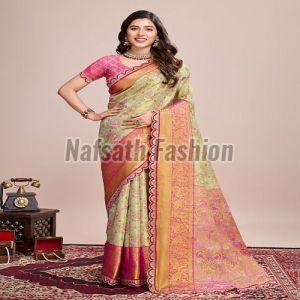
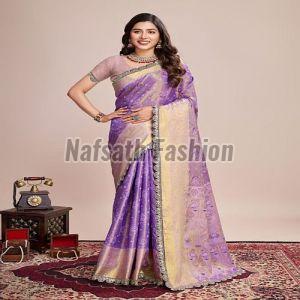

| Business Type | Exporter, Retailer, Trader |
| Color | Available in Different Color |
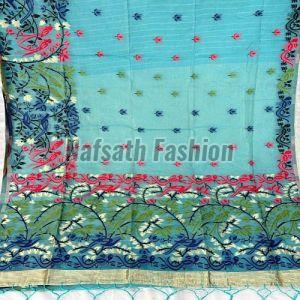
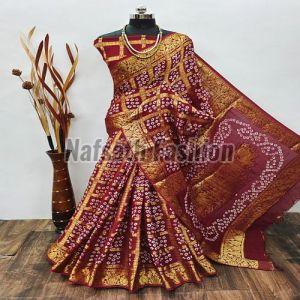
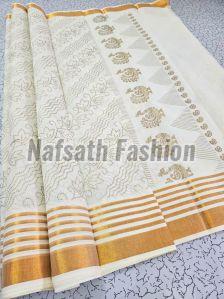
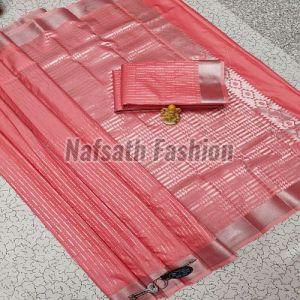
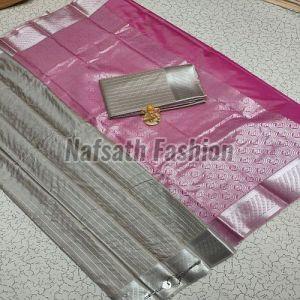
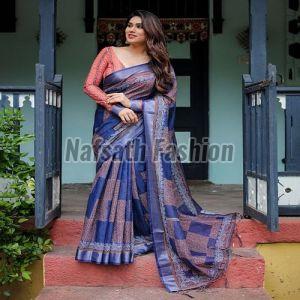
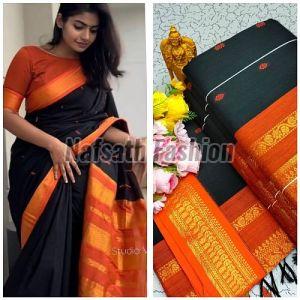
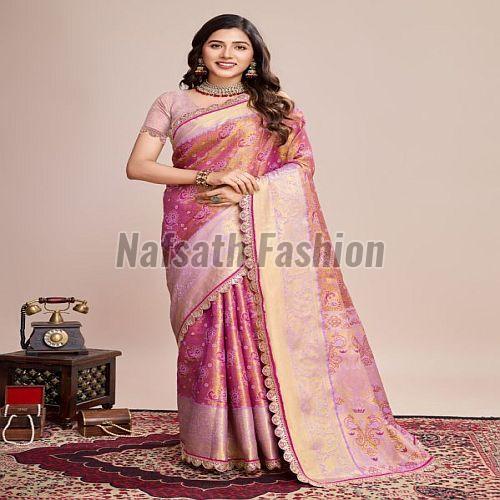
| Fabric | Pure Silk, Zari Thread |
| Ethnic Region | Indian |
| Click to view more | |
Product Details
Feature
Shrink-Resistant, Attractive Designs
Blouse Stitch Type
Unstitched
Set Content
With Blouse Piece
Pattern
Printed
Saree Length
6.3 Meter
Designs
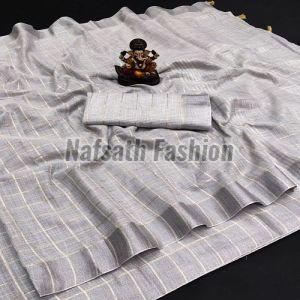
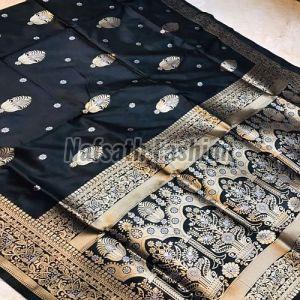
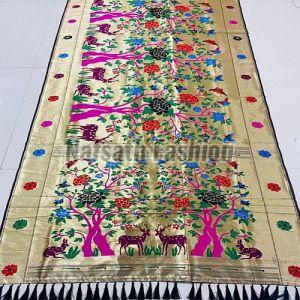
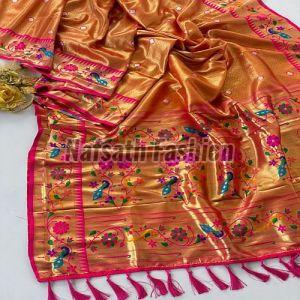
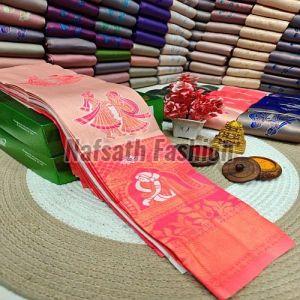
Metallic Borders, Floral, Geometric, Indian Motifs
- Material: The key component is the zari thread, which gives the lace its characteristic metallic sheen and often a touch of luxury. The base of the lace can be silk, cotton, synthetic fabrics, or net.
- Construction: Zari lace can be created through various techniques:
- Weaving: The zari threads are interwoven with other fibers on a loom to create the lace pattern.
- Embroidery: Zari threads are embroidered onto a base fabric or net in a lace-like design. This can be done by hand or machine.
- Appliqué: Strips or motifs of zari fabric or embroidery are cut into lace-like shapes and then attached to another fabric.
- Designs: Zari lace comes in a wide array of designs, from simple metallic borders to elaborate floral, geometric, or traditional Indian motifs. It can also incorporate other embellishments like beads, sequins, and stones.
- Colors: While gold and silver are the most traditional colors for zari, modern zari laces can be found in various metallic shades and even combinations with colored threads.
- Width: Zari laces vary in width, from narrow edgings to broader borders.
Looking for "Zari Weaving Work Pure Soft Silk Saree" ?
Piece